
YOUR GUIDE TO CHILE
Plan your
move to
Chile.
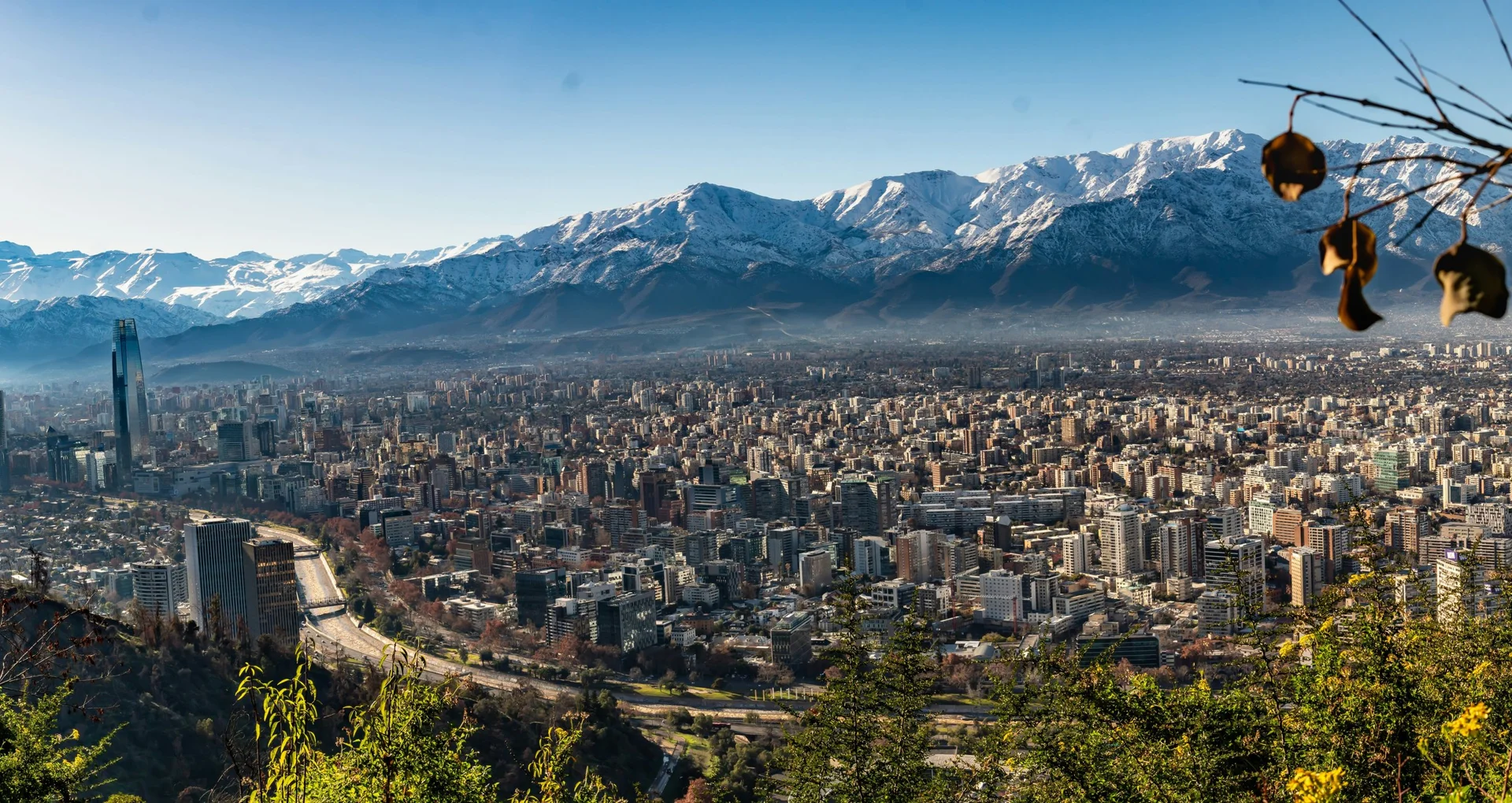
Get to know Santiago before you choose where to live.
Compare areasGET TO KNOW SANTIAGO
Start with
an ordinary day.
Choose a home around the life you'll actually lead. Where will you buy groceries, how will you get to work, and who will you see?
Spend time in a few areas before you decide. Walk the streets and try the commute. Work out what your own household will spend.
WHERE TO LIVE
Choose where
you want to live.
These four areas give you somewhere to start. Compare the actual street and building before you choose a home.
Providencia
Spend an afternoon around Barrio Italia.
Barrio Italia has restaurants and design shops. Walk the surrounding streets to see where you'd buy groceries and spend time outside work.
Walk from a rental to the nearest shops and public transport. Go back in the evening. Listen for traffic and late-night noise.
Las Condes
Start around Parque Araucano.
Parque Araucano has space for recreation and sport. Visit the park, then look at the streets where you're considering renting.
Try the commute from the actual address. Ask about monthly building charges and check how far you'd walk for your regular errands.
Vitacura
Take a walk around Parque Bicentenario.
If you want a park close to home, include the streets around Parque Bicentenario in your visit. Check the walk from each address.
Try a few regular trips without a car. Add transport costs and building charges to the rent before comparing homes.
Lo Barnechea
Look towards the foothills.
Include Lo Barnechea in your visit if you want to look for a home on Santiago's mountain side.
Drive into the city at the time you'd normally travel. Check the distance to your doctor and any schools your family needs.
YOUR BUDGET
Work out what
you'll spend.
Compare your costs at home with the life you want in Santiago. Use the same household size and spending habits for both.
Your home
Ask for the rent and monthly building charges separately. Add utilities and internet. Keep the deposit in your arrival budget.
Your monthly spending
Include groceries and transport, healthcare and the things you enjoy. Add school fees or childcare where your household needs them.
Your arrival costs
Set aside money for travel and somewhere to stay while you look for a home. Add document costs and professional fees. Leave a buffer.
Your income
Confirm that you can keep your work arrangements after the move. Get advice on your tax position and allow for exchange-rate changes.
EVERYDAY LIFE
Try the routine
you'll live with.
Take your usual trips.
Walk to the shops. Try the bus or Metro at the times you'll use it. Include the trip home after an evening out.
Check the apartment.
Ask about heating and insulation, internet and building charges. Listen for noise inside the apartment. Visit the building in person before signing a lease.
Think about who you'll see.
Look for places to meet people and practise Spanish. Check the time difference for your work calls and calls with family.
Check the healthcare your household needs and how you'll reach it. Visit any schools you're considering. Check accessibility at each address.
BEFORE YOU MOVE
Visit before
you commit.
Use your first visit to test daily life. Give yourself time for errands and apartment visits between the sightseeing.
- 1
Decide what you need.
Write down your housing needs and monthly budget. Include any healthcare or school arrangements you need to make.
- 2
Spend a day in each area.
Buy groceries and take your usual trips. Go back at different times to check how the street feels.
- 3
Check your work and residence plans.
Confirm your work arrangements. Ask the immigration authority or a qualified professional which residence requirements apply to you. Get tax advice before committing.
- 4
Put the tasks in order.
List the documents you need and who will review them. Arrange somewhere to stay on arrival and budget for setting up your home.
Useful places to check.
Check residence and tax requirements directly with the relevant authority. Reviewed 4 October 2026.